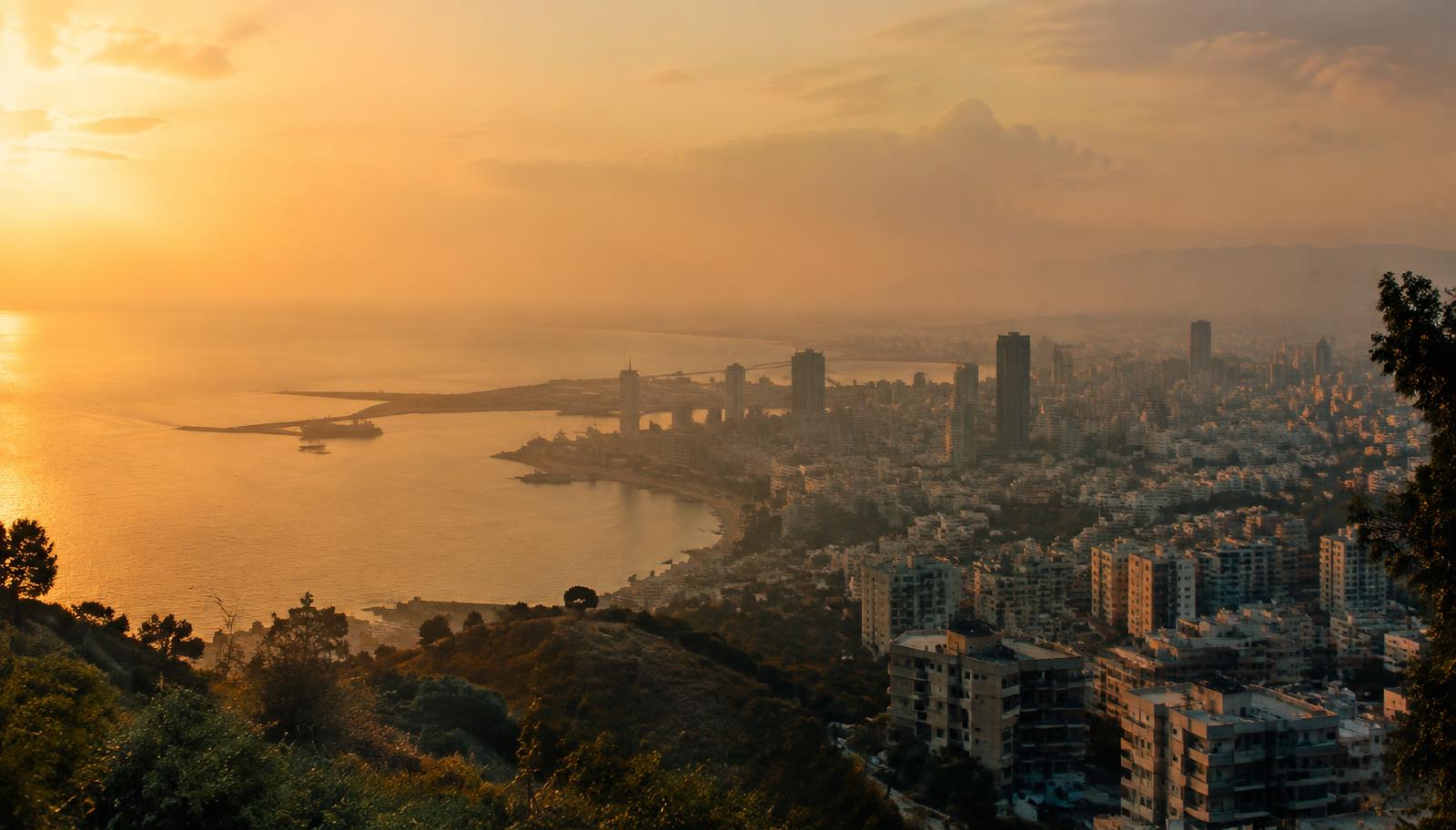
Beirut · Ph.D. Economics
Measuring how Lebanon works — and who it leaves behind.
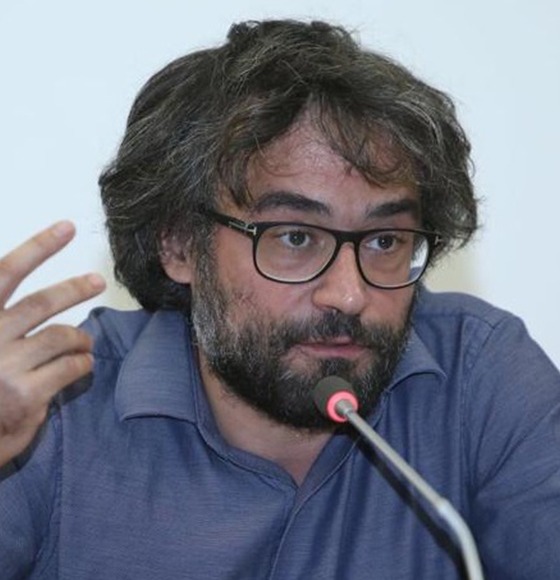
Dr. Nizar Hariri is a senior economist, labor market analyst, policy advisor and Associate Professor at Saint Joseph University of Beirut.
1,200
households in the national precariousness survey
7
dimensions of precarity measured
~5%
of Lebanese GDP from cultural & creative industries
3
working languages: Arabic, French, English
Positions
Between the university and the ministry
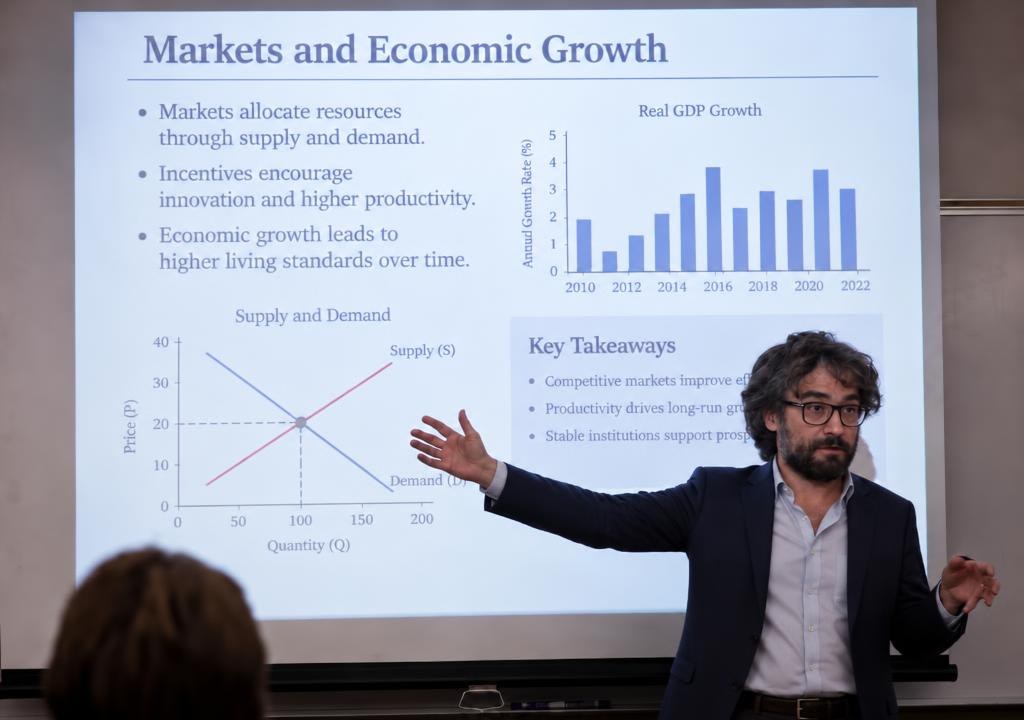
Saint Joseph University of Beirut (USJ)
Associate Professor, Faculty of Economics (FSE)
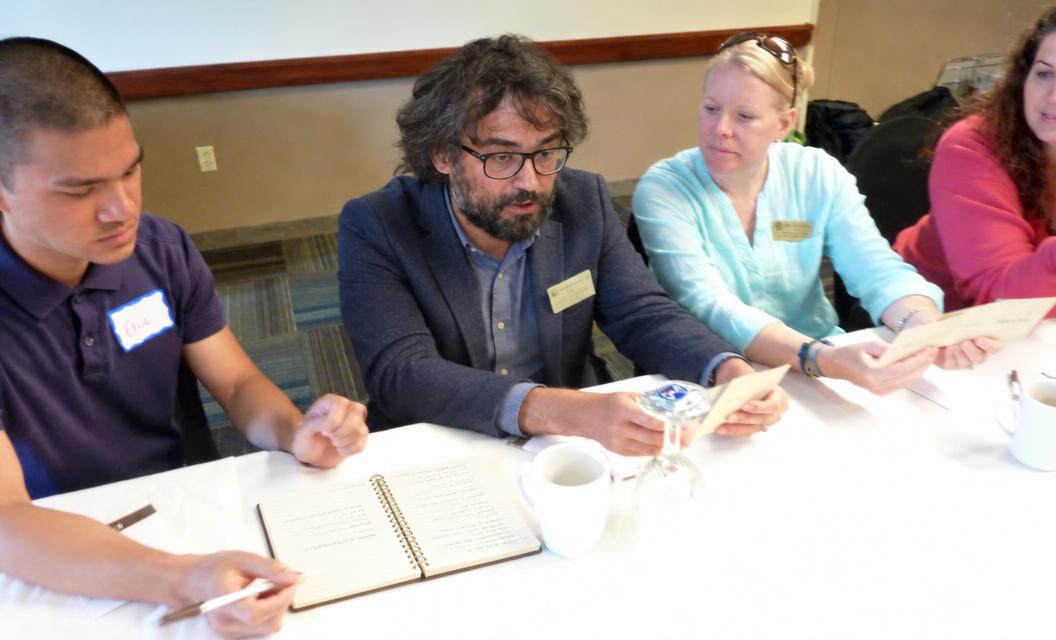
OURSE — USJ
Director & Lead Researcher
Institut des Finances Basil Fuleihan (IOF) / Ministry of Finance, Lebanon
Senior Advisor & Labour Market Analyst
IFPO & AFD
Fellow, Chaire sur les Environnements Urbains
ANR PRECAR (ANR / IREMAM / IFPO / USJ)
Core Investigator
Four research axes
Labor & Precariousness
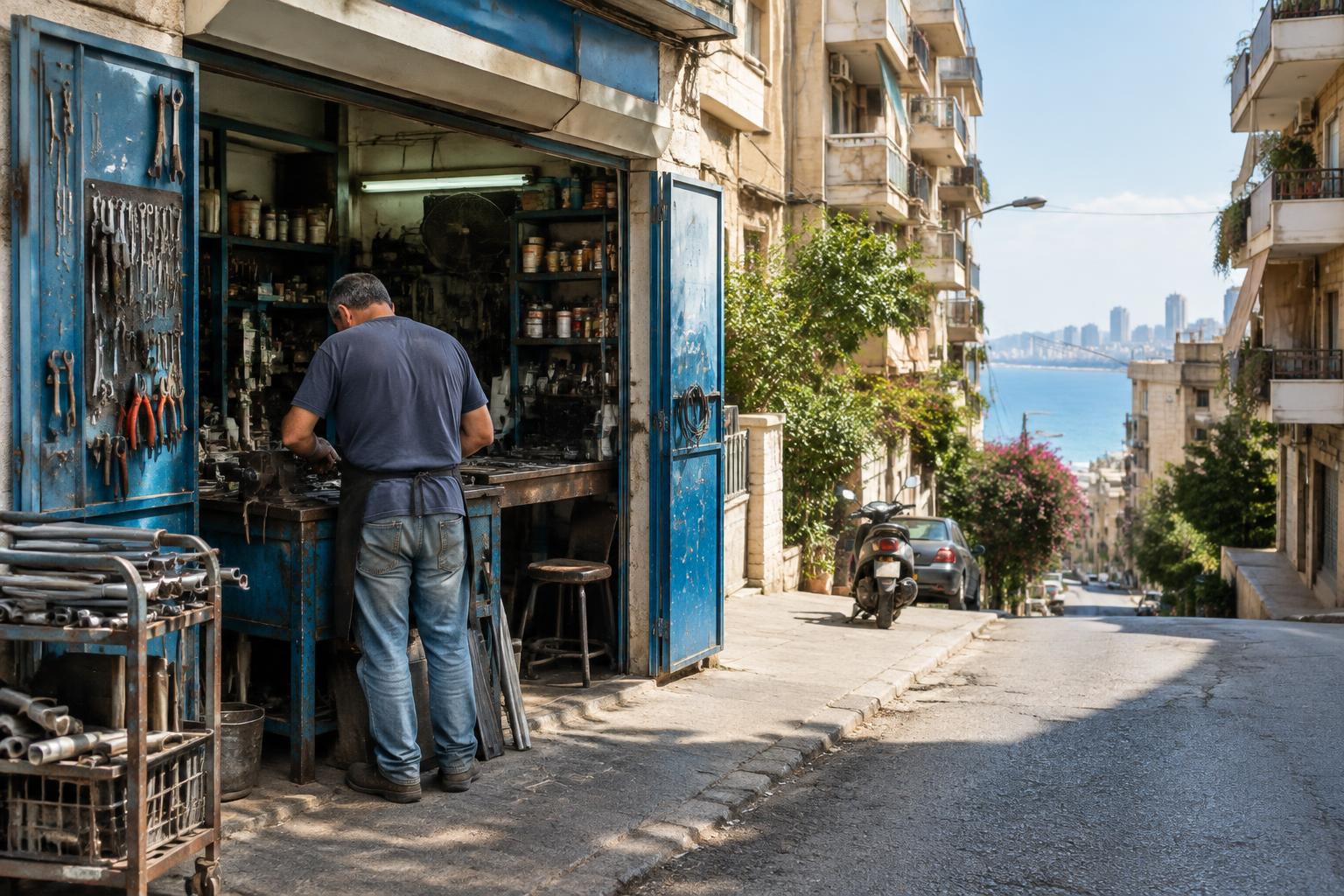
How Lebanese households earn, lose and improvise their living — from the erosion of productive wages to the informal arrangements that fill the gap after 2019.
Read more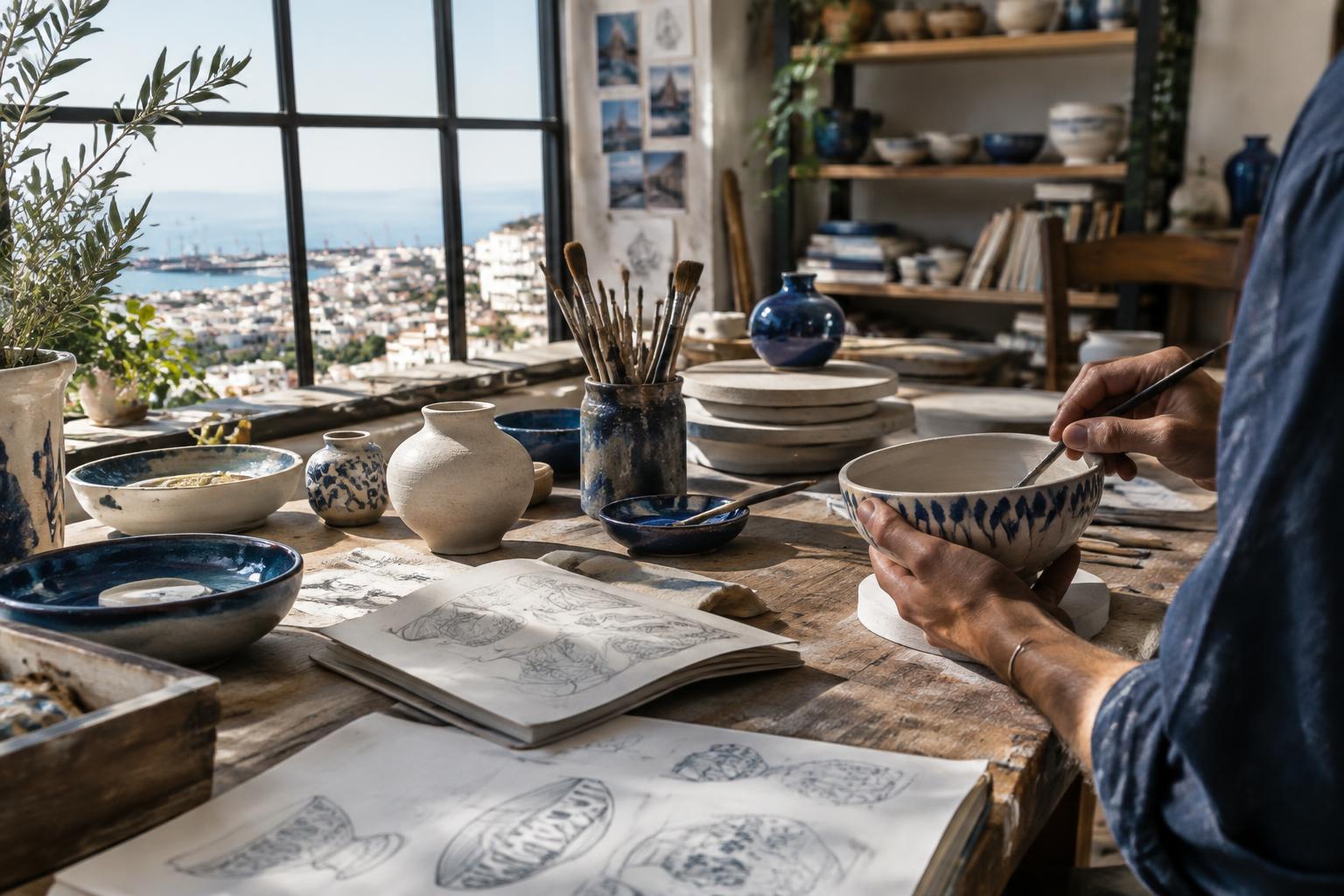
Cultural & Creative Industries
Putting a number on culture: measuring what creative work contributes to the economy, and what it takes to make it employable.
Read more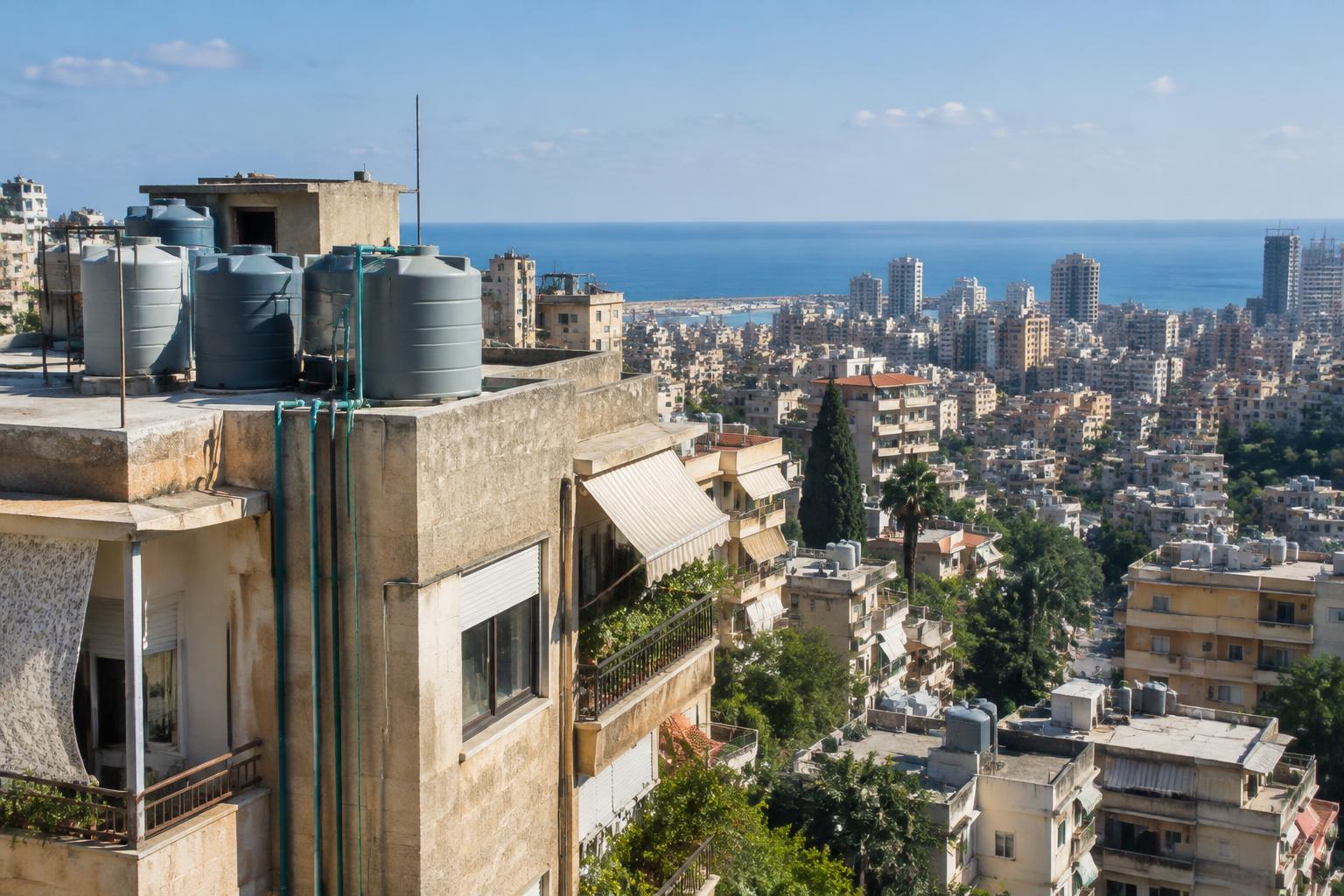
Poverty & Social Protection
Deprivation as lived experience — of water, public goods and safety nets — and what policy reform does to the households on the other end.
Read more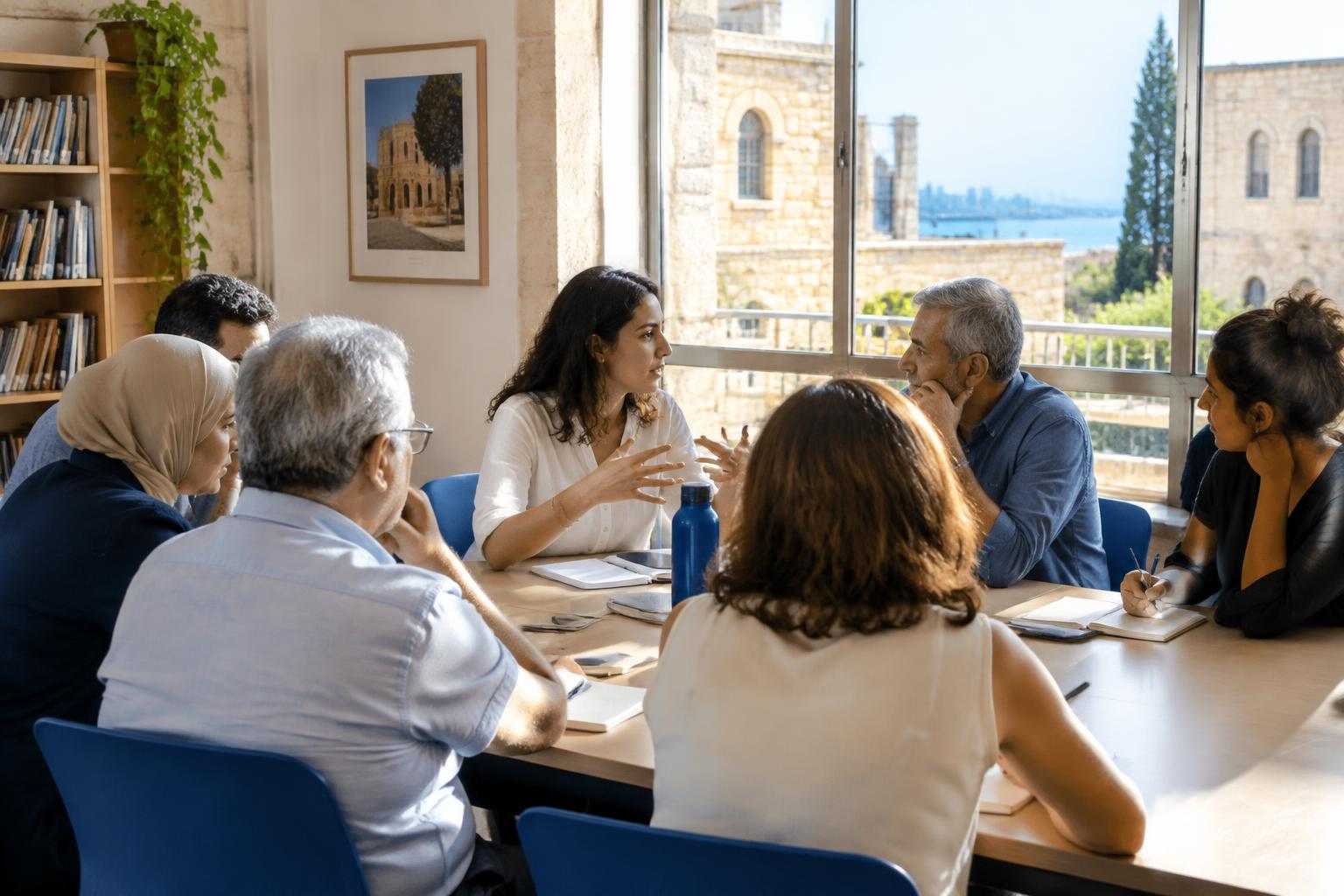
Social Capital & Governance
Trust — in institutions and in each other — as an economic variable, and a lens on the uprisings that reshaped the Arab world.
Read moreSelected work
Featured publications
2024
Étude transversale des précarités au Liban (2022–2023)
Nizar Hariri, Michele Scala, Jacqueline Saad Harfouche, Raymond Bou Nader, Myriam Catusse — USJ-OURSE, IFPO, ANR PRECAR, IREMAM — HAL hal-05696003
The first comprehensive national multi-dimensional study of precariousness, surveying 1,200 households after the 2019 crisis across seven dimensions: employment, housing, social protection, mobility, energy access, subsistence strategies and solidarity networks.
2020 / 2021
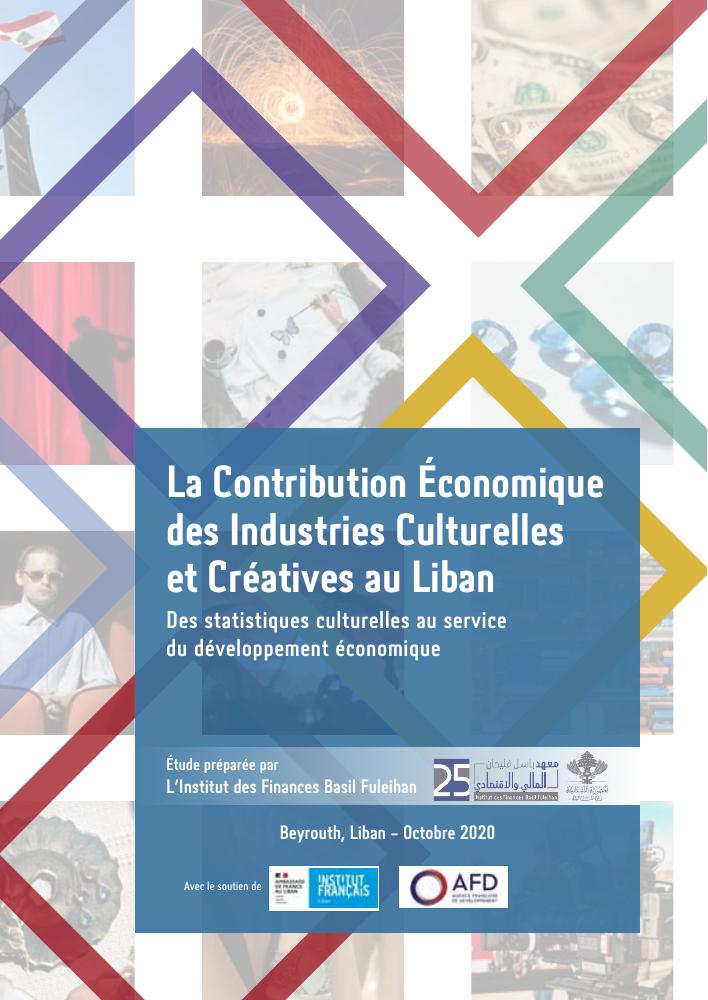
La Contribution Économique des Industries Culturelles et Créatives au Liban
Nizar Hariri & Mahassen Ajam — Institut des Finances Basil Fuleihan, with AFD & the French Embassy, Beirut
Subtitled “des statistiques culturelles au service du développement économique”, this national study builds cultural statistics for Lebanon and shows the cultural and creative industries account for about 5% of GDP.

2024
Urban water scarcity in Lebanon: Relative deprivation and absolute dispossession
Nizar Hariri — Confluences Méditerranée, 2024/3 (No. 130)
Reads urban water scarcity through the twin lenses of relative deprivation and absolute dispossession, tracing how access to a basic public good fractures along social lines.
Career timeline
2007
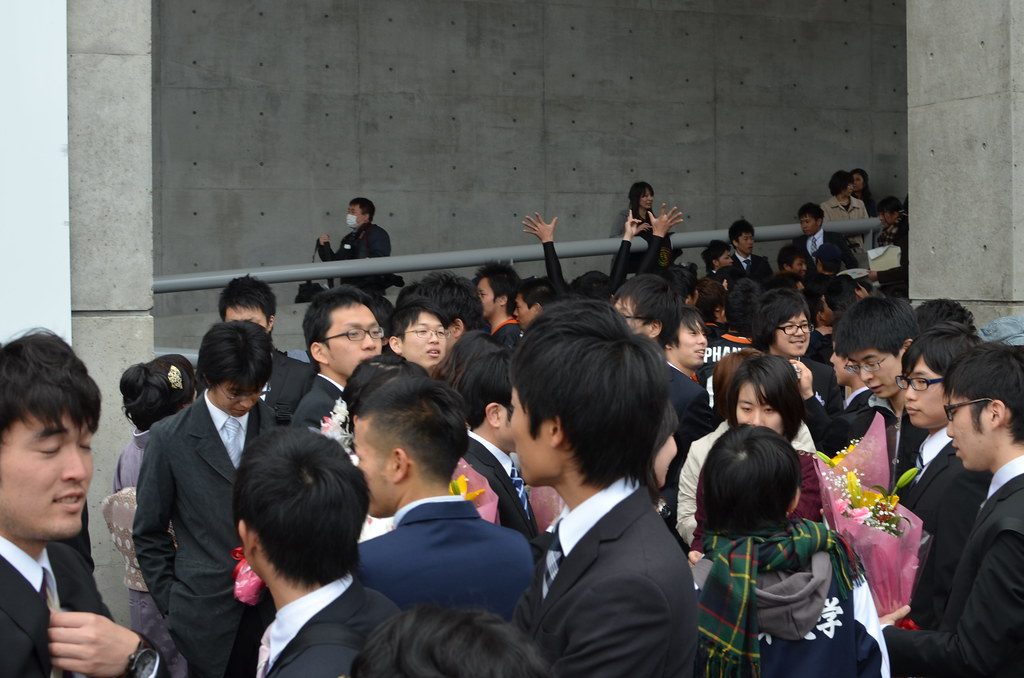
Ph.D. in Economics, Université de Provence (Aix-Marseille I) — “Pauvreté et interactions dans la théorie sociale”.
2015
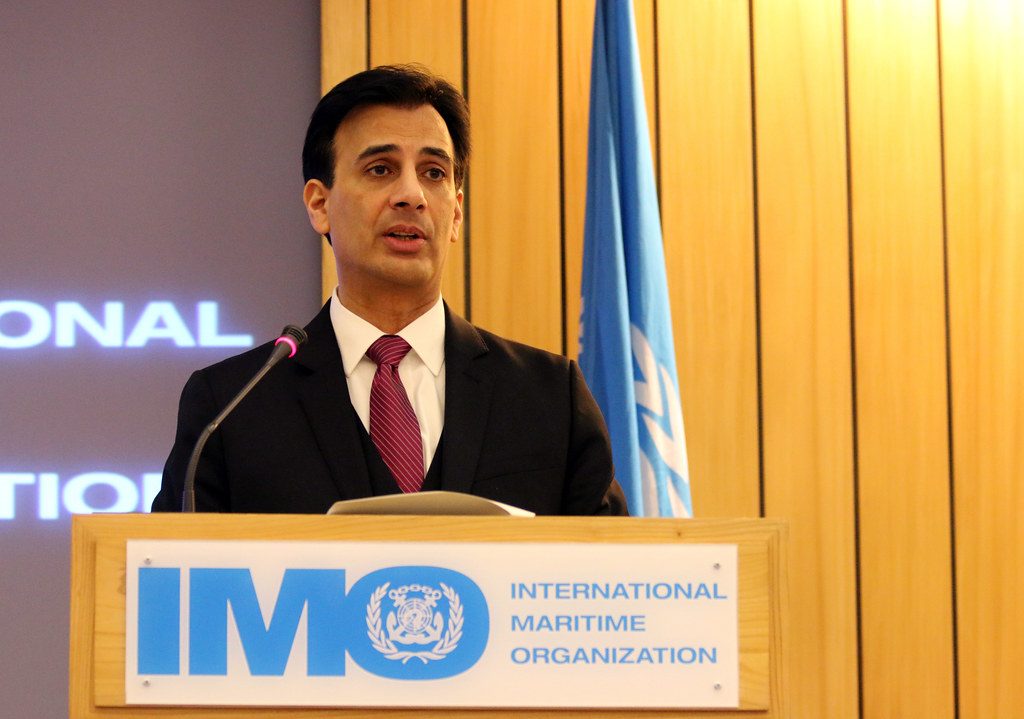
EU Med Culture regional study on creative-sector employability in four Arab Mediterranean countries.

2017
“Does Social Capital Explain Arab Springs?” published in the European Scientific Journal.
2018
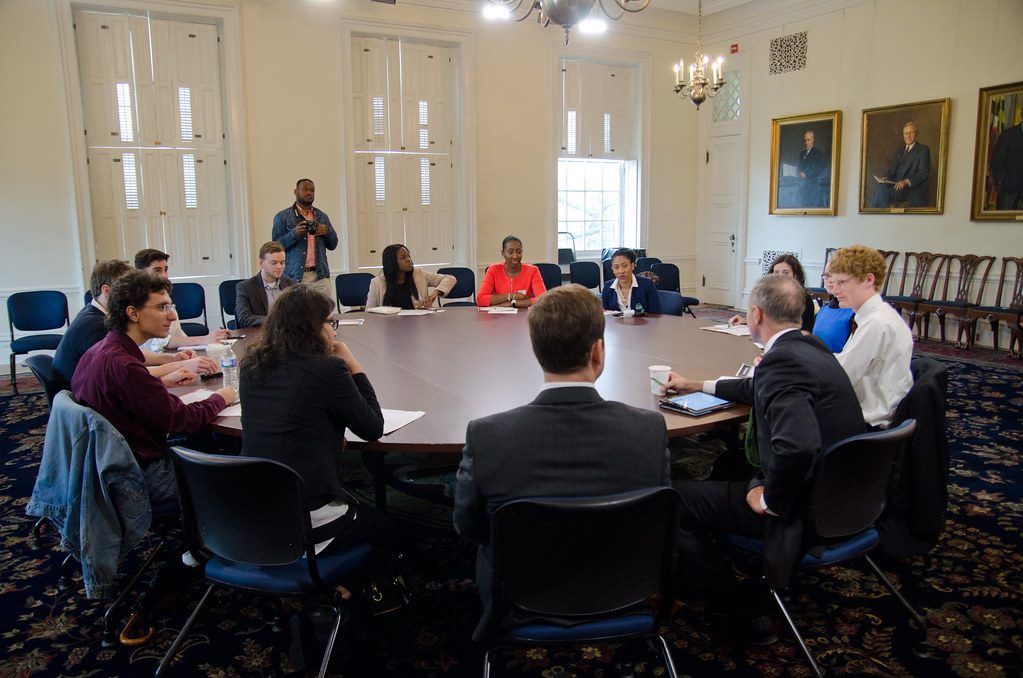
Co-organizes “Aux marges du salariat ? Travailler et contester au Liban” with CDRE, IFPO, OIB and USJ.
2019
Interview on the Lebanese labor movement and the October 17 intifada, Confluences Méditerranée.

2020–21
National study on the economic contribution of cultural and creative industries (~5% of GDP), IOF / AFD / French Embassy.
2021
“Arranged Marriage in Beirut’s Sunni Community”, Ethnologie française.
2022–23
Fieldwork for the national transversal study of precariousness — 1,200 households, 7 dimensions.
2024
Précarités study released on HAL; “Urban water scarcity in Lebanon” in Confluences Méditerranée.